Posts

Time to adequately heed Acute Pain in the Emergency Department – More Regional Blocks Warranted

Vol 3 | Issue 2 | July-December 2022 | Page 37-41 | Tom C. R. V. Van Zundert, André A. J. Van Zundert

DOI: 10.13107/ijra.2022.v03i02.054


Authors: Tom C. R. V. Van Zundert [1, 2], André A. J. Van Zundert [2, 3]

[1] Department of Emergency Medicine, Holy Heart Hospital, Mol, Belgium.
[2] Udayana University, Bali, Indonesia.
[3] Department of Anaesthesia and Perioperative Medicine, Royal Brisbane and Women’s Hospital and The University of Queensland, Brisbane, QLD, Australia.

Address of Correspondence
Professor André A.J. Van Zundert,
Professor and Chair of Anaesthesiology, Royal Brisbane and Women’s Hospital & The University of Queensland, Brisbane, QLD, Australia.
E-mail: vanzundertandre@gmail.com


Introduction

All healthcare stressors converge in the emergency department (ED), which sees an annual increase of 6-7% with more than 25 million patient visits in the UK. This translates to 44,435 attendances per 100,000 population in the period 2019-2020 [1]. Acute pain is the primary reason patients seek emergency medical care. Consequently, substandard acute pain treatment is one of the most frequently heard complaints and has been labelled as a public health problem [2]. Pain remains under-acknowledged, -assessed and -treated, mainly in case of overcrowding in the ED and especially in the more vulnerable groups, including the elderly and children. Many patients express an initial pain score of 10 out of 10 on the visual analogue scale (VAS) in the ED. Generally, initial pain treatment combines oral acetaminophen, NSAID and/or (IV) opioids. Nevertheless, despite these pain killers, most patients continue to suffer and score their pain at 8/10 or higher. Untreated pain can have both short- and long-term effects, including sensitisation to pain episodes in later life [3].

Most visits to the emergency department involve patients with conditions that include: a) injuries and trauma from (motor vehicle) accidents, physical assaults or falls, with or without circulatory shock; b) cardiovascular and cerebral attacks or loss of consciousness; c) severe pain of diverse causes, both acute and chronic origin; d) acute worsening of a serious illness or disease, including problems with breathing and bleeding; e) mental illness; f) burns; g) anaphylactic and allergic reactions; g) drug overdoses and poisoning; and h) pregnancy-related complications. In most of these cases, patients present with pain as a substantial factor.

Keywords: Emergency department, Hip fracture, Pain, Regional anaesthesia, Nerve blocks, Ultrasonography


References


1. NHS Report. Hospital Accident & Emergency Activity 2020-21. 30.09.2021. https://digital.nhs.uk/data-and-information/publications/statistical/hospital-accident–emergency-activity/2020-21# (accessed 20.05.2022).
2. Keating L, Smith S. Acute Pain in the Emergency Department: The Challenges. Rev Pain. 2011;5(3):13-17.
3. Duggan NM, Nagdev A, Hayes BD, Shokoohi H, Selame LA, Liteplo AS, Goldsmith AJ. Perineural Dexamethasone as a Peripheral Nerve Block Adjuvant in the Emergency Department: A Case Series. J Emerg Med. 2021 Nov;61(5):574-580.
4. Verbeek T, Adhikary S, Urman R, Liu H. The Application of Fascia Iliaca Compartment Block for Acute Pain Control of Hip Fracture and Surgery. Curr Pain Headache Rep. 2021 Mar 11;25(4):22.
5. Veronese N, Maggi S. Epidemiology and social costs of hip fracture. Injury 2018;49:1458-1460.
6. Amin NH, West JA, Farmer T, Basmajian HG. Nerve Blocks in the Geriatric Patient With Hip Fracture: A Review of the Current Literature and Relevant Neuroanatomy. Geriatr Orthop Surg Rehabil. 2017 Dec;8(4):268-275.
7. Salottolo K, Meinig R, Fine L, Kelly M, Madayag R, Ekengren F, Tanner A, Roman P, Bar-Or D. A multi-institutional prospective observational study to evaluate fascia iliaca compartment block (FICB) for preventing delirium in adults with hip fracture. Trauma Surgery & Acute Care Open 2022;7:e000904.
8. Hao J, Dong B, Zhang J, Luo Z. Pre-emptive analgesia with continuous fascia iliaca compartment block reduces postoperative delirium in elderly patients with hip fracture. A randomized controlled trial. Saudi Med J. 2019 Sep;40(9):901-906.
9. Lee HK, Kang BS, Kim CS, Choi HJ. Ultrasound-guided regional anaesthesia for the pain management of elderly patients with hip fractures in the emergency department. Clin Exp Emerg Med. 2014 Sep 30;1(1):49-55.
10. Hards M, Brewer A, Bessant G, Lahiri S. Efficacy of Prehospital Analgesia with Fascia Iliaca Compartment Block for Femoral Bone Fractures: A Systematic Review. Prehosp Disaster Med. 2018 Jun;33(3):299-307.
11. Okereke IC, Abdelmonem M. Fascia Iliaca Compartment Block for Hip Fractures: Improving Clinical Practice by Audit. Cureus. 2021;13:e17836. doi: 10.7759/cureus.17836
12. Nice Guidelines. The management of hip fracture in adults. Updated 2019. https://www.nice.org.uk/guidance/cg124/evidence/full-guideline-pdf-183081997 (accessed 24.05.2022).
13. Butler MM, Ancona RM, Beauchamp GA, Yamin CK, Winstanley EL, Hart KW, Ruffner AH, Ryan SW, Ryan RJ, Lindsell CJ, Lyons MS. Emergency Department Prescription Opioids as an Initial Exposure Preceding Addiction. Ann Emerg Med. 2016 Aug;68(2):202-8.
14. Ketelaars R, Stollman JT, van Eeten E, Eikendal T, Bruhn J, van Geffen G-J. Emergency physician-performed ultrasound-guided nerve blocks in proximal femoral fractures provide safe and effective pain relief: a prospective observational study in The Netherlands. Int J Emerg Med 2018;11:12.
15. Reavley P, Montgomery AA, Smith JE, Binks S, Edwards J, Elder G, Benger J. Randomised trial of the fascia iliaca block versus the ‘3-in-1’ block for femoral neck fractures in the emergency department. Emerg Med J. 2015;32:685-689.
16. Nagel EM, Gantioque R, Taira T. Utilizing Ultrasound-Guided Femoral Nerve Blocks and Fascia Iliaca Compartment Blocks for Proximal Femur Fractures in the Emergency Department. Adv Emerg Nurs J. 2019 Apr/Jun;41(2):135-144.
17. Luftig J, Mantuani D, Herring AA, Dixon B, Clattenburg E, Nagdev A. Successful emergency pain control for posterior rib fractures with ultrasound-guided erector spinae plane block. Am J Emerg Med. 2018 Aug;36(8):1391-1396.
18. Ritcey B, Pageau P, Woo MY, Perry JJ. Regional Nerve Blocks For Hip and Femoral Neck Fractures in the Emergency Department: A Systematic Review. CJEM. 2016 Jan;18(1):37-47.
19. Jaffe TA, Shokoohi H, Liteplo A, Goldsmith A. A Novel Application of Ultrasound-Guided Interscalene Anaesthesia for Proximal Humeral Fractures. The Journal of Emergency Medicine. 2020;59:265-269.
20. De Buck F, Devroe S, Missant C, Van de Velde M. Regional anaesthesia outside the operating room: indications and techniques. Curr Opin Anaesthesiol. 2012 Aug;25(4):501-7.
21. Steenberg J, Møller AM. Systematic review of the effects of fascia iliaca compartment block on hip fracture patients before operation. Br J Anaesth. 2018 Jun;120(6):1368-1380.
22. Scarpa J, Wu CL. The role for regional anaesthesia in medical emergencies during deep space flight. Reg Anesth Pain Med. 2021 Oct;46(10):919-922.
23. Cappelleri G, Fanelli A, Ghisi D, Russo G, Giorgi A, Torrano V, Lo Bianco G, Salomone S, Fumagalli R. The Role of Regional Anaesthesia During the SARS-CoV2 Pandemic: Appraisal of Clinical, Pharmacological and Organizational Aspects. Front Pharmacol. 2021 Jun 4;12:574091.
24. Wiercigroch D, Ben-Yakov M, Porplycia D, Friedman SM. Regional anaesthesia in Canadian emergency departments: Emergency physician practices, perspectives, and barriers to use. CJEM. 2020 Jul;22(4):499-503.
25. Herring AA. Bringing Ultrasound-guided Regional Anaesthesia to Emergency Medicine. AEM Educ Train. 2017 Mar 29;1(2):165-168.


How to Cite this Article: Van Zundert TCRV, Van Zundert AAJ | Time to Adequately Heed Acute Pain in the Emergency Department- More Regional Blocks Warranted | International Journal of Regional Anaesthesia | July-December 2022; 3(2): 37-41.


(Abstract Text HTML)    (Download PDF)


Technological and Pharmacological Advancements in Regional Anaesthesia and Acute Postoperative Pain

Vol 3 | Issue 1 | January-June 2022 | Page 03-07 | Abhijit S. Nair, Sandeep Diwan

DOI: 10.13107/ijra.2022.v03i01.046


Authors: Abhijit S. Nair [1], Sandeep Diwan [2]

[1] Department of Anaesthesia, Ibra Hospital, Ministry of Health-Oman, Ibra, Sultanate of Oman.
[2] Department of Anaesthesia, Sancheti Hospital, Pune, Maharashtra, India.

Address of Correspondence
Dr. Abhijit S. Nair,
Department of Anaesthesia, Ibra Hospital, Ministry of Health-Oman, Ibra, Sultanate of Oman.
E-mail: abhijitnair95@gmail.com


The last two decades have seen immense popularity and interest for using ultrasound (US) in the practice of regional anaesthesia (RA) for performing regional nerve blocks, fascial plane blocks, and even for central neuraxial blocks. [1-3] Use of US in RA not only increase the success rate; it also reduced the complications and also facilitated several new blocks especially the fascial plane blocks in recent years. Probably this was just a beginning because, in recent years, many technological advances have been made to popularize RA, to make it safe, and to provide long-lasting analgesia to the patient. [4,5] This editorial describes the technological and pharmacological advances made in the last decade related to RA and acute pain medicine.

Advanced Gadgets and Technology for RA:
Conventionally, the US machine used in routine RA practice is 2D or 2-dimensional, and the same is used in teaching institutes and workshops. The present US machines are light-weight, portable, have advanced features like touch-screen, high-resolution images, better needle visibility, taking snapshots or recording videos, and many more. Few papers have described the use of 3D US in RA. However, the issues with 3D-US in RA are a slow refresh rate than 2D and difficulty in real-time needle visualization and tracking. [6,7] Few RA enthusiasts have demonstrated successful use of 4D-US in RA. By using the 4D US, the performer can simultaneously visualize multiple planes like longitudinal, cross-sectional, and coronal adjusting the probe. 4D also provided a spatial relationship between anatomical structures of interest compared to standard imaging, which could prevent undesirable complications. With 4D US accurate volume measurements of LA can be made with visualization of the spread of LA at the site of interest. However, the issues are 4D US needs a different machine and probe which might not be feasible for someone who already has the 2D US. [8]
Portability has reached the next level with the introduction of the Lumify probe by Philips, USA. This probe can be connected to a smartphone or a tablet. [9] A Philips Lumify Ultrasound App is available for download on both Android and Apple phones for free. However, in India, the RA enthusiast needs to comply with the Pre-Conception and Pre-Natal Diagnostic Techniques (PC-PNDT) act before planning to buy and use it. [10]

Robotics in US-guided RA:
In the medical field, the principles of robotics have been applied successfully in robotic-assisted surgeries, rehabilitation, medical transportation, sanitation of hospitals, and drug dispensing. In 2002, Cleary et al used a robotic system developed by URobotics (Urology Robotics) Laboratory to perform nerve and facet blocks at the lumbar region of embalmed cadavers successfully thus opening a new avenue for performing RA techniques using advanced technology. [11] Later Tighe et al performed US-guided nerve blocks in phantom using the da Vinci surgical robotic system (Intuitive Surgical, Sunnyvale, CA). [12] This system is also used for robotic-assisted surgeries. The authors demonstrated successful single injections and perineural catheters using the robotic system. This led to the development of a task-specific robotic device for RA. Magellan system is a robotic system exclusively developed for US-guided regional anaesthesia. [13] The Magellan system comprises a joystick, a robotic arm, and a software control system.
Hemmerling et al described the first robotic US-guided nerve blocks in humans using the Magellan system which is a robotic system for US-guided RA. [14] The authors employed the sciatic nerve block in 13 patients all of which were successful and required 3-4 minutes to perform. Morse et al conducted a study in which they compared success rates, learning curves, and inter-subject performance variability of robot-assisted and manual US-guided nerve block needle guidance in simulation. [15] A Magellan robotic nerve block system was used for this study. The authors concluded that robot-assisted nerve blocks lead to faster learning of needle guidance over manual positioning and reduce inter-subject performance variability. Currently, the Magellan system is not FDA-approved, is costly, has not been validated by comparative, randomized studies.

Injection Pressure Monitoring:
In the current practice of RA, monitoring injecting pressure while injecting LA for a peripheral nerve block or a fascial plane block is considered the gold standard. A high injection pressure i.e., more than 20 pounds per square inch (PSI) has been associated with intraneural or intrafascicular injection leading to unwanted neurological consequences postoperatively. [16,17] At present there are three monitors available in the market with different pros and cons.
B-SmartTM (B. Braun Medical, Bethlehem, Pennsylvania, USA) was the first disposable, injection pressure monitor released in the market. It uses membrane sensing technology to monitor real-time injection pressure while injecting LA. [18] When the injection pressure crosses 15 psi, the piston-color changes from white to yellow, and after reaching a pressure of more than 20 psi, there is a change in piston color from yellow to orange. [19] NerveGuard® (Pajunk Medical Systems, Geisingen, Germany) is another gadget available for a similar purpose but with different technology. It detects high pressure while injecting (more than 20 psi) and automatically stops the injection of LA while performing a block. This is due to the presence of a Luer lock mechanism between the syringe and the extension tubing of the nerve block needle. [20,21] Recently, Medovate, a company in the United Kingdom introduced the SAFIRA (SAFer Injection in Regional Anaesthesia) pump which gives a combined benefit of injection pressure monitoring and controlled injection of LA. [22] The SAFIRA system consists of three components; a sterile single-use syringe, a driver, and a foot pedal. The foot pedal has two parts, a green and a yellow. On pressing the green part of the foot pedal, the syringe loaded with LA will infuse the LA at the site of interest. On pressing the yellow part of the foot pedal, the loaded LA is aspirated before injection. There are three driver indicator lights. When the green is on, it means LA is infusing. A yellow light indicated aspiration, and red light is suggestive of either a low battery or an empty syringe. The company mentions that the driver and foot pedal can be used for up to 200 peripheral nerve blocks comfortably. [23] The pump is currently available in the UK, USA, Australia, Israel, and a few European countries.

Needle Visualization on the US:
The SonixGPS® system (Ultrasonix Medical Corp, Richmond, BC, Canada) is an electromagnetic needle tracking system developed for US-guided needle interventions. This needs specially designated needles for planned interventions. Niazi et al used this system in 20 patients for performing spinal anaesthesia and concluded that with its use, the procedure is simplified especially with an out-of-plane approach. [24] The experience of Brinkmann et al with 20 patients in whom they performed spinal anaesthesia was similar. They concluded that US-guided subarachnoid block was easy to perform, with a low rate of failure and complications. [25]

Long-Acting, Sustained-Release Local Anaesthetics:
Liposomal bupivacaine, marketed as Exparel (Pacira Pharmaceuticals, Inc., Parsippany, NJ, USA) is an extended-release formulation of bupivacaine which was approved by US-FDA for a single-shot infiltration of the surgical site in 2011. [26] In a review article published by Hamilton et al in Cochrane Database Systematic Review, it was concluded that the use of Exparel did appear to reduce postoperative pain when compared to a placebo. [27]
Exparel consists of encapsulated multivesicular liposomes (DepoFoam formulation Multivesicular spherical lipid particles in a honeycomb formation). This unique liposomal-based structure confers stability and extended-release properties to the formulation. The median diameter of the liposome particles ranges from 24 to 31 μm. [28] Although Exparel was approved for use only for infiltration at the surgical site, researchers published their experiences of off-label use of Exparel in various peripheral nerve blocks of upper and lower extremities. To date, papers have been published with the use of Exparel in popliteal, ankle, femoral, intercostal, penile, pectoral nerve block, and transversus abdominis plane block with variable results. [29-32] With the introduction of liposome-based LA and analgesics and after the success depicted in case series and certain comparative studies, in the last few years there were several pharmacological agents which were launched in the market.

SABER Bupivacaine:
Durect Pharmaceuticals, California, USA developed an experimental drug with a working name: SABER bupivacaine (POSIMIR®). It is available as a thick, translucent solution and consists of bupivacaine, biodegradable depot composition (sucrose acetate isobutyrate), and benzyl alcohol thereby causing extended-release of bupivacaine after infiltration at the surgical site. In a 5 ml solution, there is 132 mg per ml of bupivacaine base which is equivalent to 743 mg of bupivacaine hydrochloride in the 5 ml solution. Studies have shown that the analgesic efficacy after infiltration peaks at 13-17 hours and fades by 72 hrs.
Hadj et al randomized patients undergoing open hernia repair to receive 2.5 ml (330 mg), 5 ml (660 mg) of SABER-bupivacaine with placebo. In both the groups which received the experimental drug, the analgesic efficacy was better than the placebo with no interference in wound healing and devoid of any adverse events. [33] BESST (Bupivacaine Effectiveness and Safety in SABER Trial) is registered with clinicaltrials.gov and has 3 cohorts: 1-laparotomy, 2- laparoscopic cholecystectomy, 3- laparoscopic-assisted colectomy. The results of this trial have not been published yet. [34] As of now, SABER-bupivacaine still awaits US-FDA approval.

HTX-011:
HTX-011, now marketed as ZYNRELEF™ by Heron Therapeutics, Inc. is a novel formulation comprising extended-release, fixed-ratio of bupivacaine as the main drug with low-dose meloxicam to enhance the effectiveness of infiltrated bupivacaine. [35] This combination is integrated into a bioerodible polymer (Biochronomer®). On injection at the surgical site, there is controlled hydrolysis of the polymer which leads to sustained release of both bupivacaine and meloxicam for 3 days.
In the EPOCH-2 study, which is a phase 3, randomized, double-blind, active-controlled multicenter study; Viscusi et al enrolled 18 patients into 3 groups. In one group the patients received HTX-011, in second bupivacaine infiltration, and the third group received placebo. On analysis, the authors concluded that there was a significant improvement in postoperative pain control and a significant reduction in opioid consumption when compared to bupivacaine. [36] In another phase 2b, double-blind, placebo-controlled, and active-controlled trial by Lachiewicz et al, authors enrolled 232 patients undergoing unilateral total knee arthroplasty into 4 groups. [37] The first group received HTX-011 400 mg bupivacaine/12 mg meloxicam, applied without a needle into the surgical site. In the second group, patients received the same dose of HTX-011 with an additional 50 mg ropivacaine injection into the posterior capsule. The patients in the third and fourth group received bupivacaine 125 mg injection, and saline placebo injection respectively. On analysis, the authors concluded patients in the first two groups which received HTX-011 had better pain scores when compared to bupivacaine alone and placebo. ZYNRELEFTM is now US-FDA approved for treating acute postoperative pain by infiltration at the surgical site. [38]

Neosaxitoxin:
Neosaxitoxin is a phycotoxin derived from the shellfish and has demonstrated a reversible block of voltage-gated sodium channels at the neuronal level. Neosaxitoxin shows more affinity to sodium channels in peripheral nerves when compared to that in the myocardium. This favorable property paved way for research in using it for prolonging the analgesic effect of LA.
Rodriguez-Navarro et al conducted a randomized, double-blind, placebo-controlled trial by recruiting 10 healthy volunteers who received subcutaneous injections in the middle posterior skin of the calf. One leg received 50 μg neosaxitoxin, and the contra-lateral leg received a placebo. The authors concluded that neosaxitoxin is an effective LA when injected into a subcutaneous plane. [39] In 2011, Rodriguez-Navarro et al conducted a randomized, double-blind trial comparing neosaxitoxin with bupivacaine via port infiltration for postoperative analgesia following laparoscopic cholecystectomy. [40] On analysis, the authors concluded that neosaxitoxin is safe, prolonged postoperative analgesia when compared to the control group. Later, Lobo et al investigated the safety and efficacy of neosaxitoxin alone and in combination with 0.2% bupivacaine with and without epinephrine in a double-blind, randomized, controlled trial involving 84 healthy male volunteers aged 18 to 35 years. [41] The authors concluded that neosaxitoxin combination did prolong LA and had a tolerable side effect profile. As of now, neosaxitoxin continues to be an experimental medication with no formal US-FDA approval and also lacks studies involving off-label use in clinical situations.

Percutaneous Peripheral Nerve Stimulation:
Percutaneous nerve stimulation (PNS) is a neuromodulation technique that has been used successfully in managing acute postoperative pain and chronic pain of varying causes.[42] The stimulating electrode of PNS is placed under US guidance in or around the muscle/nerve, usually 1–3 cm from the target. Initially, the electrodes are tested by placing them at the desired site using a Tuohy needle. Once convinced, the electrodes are connected to an external battery source (implanted) to generate current for stimulation. This modality is not only opioid-free but does not even need LA. It can be kept in situ for up to 60 days. [43] The product is US-FDA approved for chronic pain, post-traumatic, and postoperative pain. The stimulator is marketed by SPRINT® PNS System. [44]
In summary, the popularity of RA amongst all anaesthesiologists resulted in extensive research in developing newer and safer technologies that can be applied in RA. The newer pharmacological agents which are either approved or under investigation can be useful in providing cost-effective and opioid-sparing analgesia in the postoperative period. In other words, the future of RA and acute pain medicine looks bright.


References


1. Jeon YH. Easier and Safer Regional Anesthesia and Peripheral Nerve Block under Ultrasound Guidance. Korean J Pain. 2016; 29:1-2.
2. Gürkan Y, Kuş A. Fascial Plane Blocks in Regional Anaesthesia and New Approaches. Turk J Anaesthesiol Reanim. 2017; 45:85-86.
3. Gaur A, Dedhia J, Bouazza-Marouf K. Ultrasound and central neuraxial blocks. Saudi J Anaesth. 2018; 12:175-7.
4. Neal JM. Ultrasound-Guided Regional Anesthesia and Patient Safety: Update of an Evidence-Based Analysis. Reg Anesth Pain Med. 2016; 41:195-204.
5. Barrington MJ, Uda Y. Did ultrasound fulfill the promise of safety in regional anesthesia? Curr Opin Anaesthesiol. 2018; 31:649-55.
6. Clendenen SR, Robards CB, Clendenen NJ, Freidenstein JE, Greengrass RA. Real-time 3-dimensional ultrasound-assisted infraclavicular brachial plexus catheter placement: implications of a new technology. Anesthesiol Res Pract. 2010; 2010:208025.
7. Karmakar MK, Li X, Li J, Hadzic A. Volumetric three-dimensional ultrasound imaging of the anatomy relevant for thoracic paravertebral block. Anesth Analg 2012; 115:1246–50.
8. Clendenen NJ, Robards CB, Clendenen SR. A standardized method for 4D ultrasound-guided peripheral nerve blockade and catheter placement. Biomed Res Int. 2014; 2014:920538.
9. Available from: https://www.usa.philips.com/healthcare/sites/lumify
Last accessed on: 9th January 2022.
10. Bhaktwani A. The PC-PNDT act in a nutshell. Indian J Radiol Imaging. 2012; 22:133-4.
11. Cleary K, Stoianovici D, Patriciu A, Mazilu D, Lindisch D, Watson V. Robotically assisted nerve and facet blocks: a cadaveric study. Acad Radiol. 2002; 9:821-5.
12. Tighe PJ, Badiyan SJ, Luria I, Boezaart AP, Parekattil S. Technical communication: robot-assisted regional anesthesia: a simulated demonstration. Anesth Analg. 2010; 111:813-6.
13. Morse J, Wehbe M, Taddei R, Cyr S, Hemmerling TM. Magellan: technical description of a new system for robot-assisted nerve blocks. J Comput 2013; 8: 1401–5.
14. Hemmerling TM, Taddei R, Wehbe M, Cyr S, Zaouter C, Morse J. Technical communication: First robotic ultrasound-guided nerve blocks in humans using the Magellan system. Anesth Analg. 2013; 116:491-4.
15. Morse J, Terrasini N, Wehbe M, Philippona C, Zaouter C, Cyr S, Hemmerling TM. Comparison of success rates, learning curves, and inter-subject performance variability of robot-assisted and manual ultrasound-guided nerve block needle guidance in simulation. Br J Anaesth. 2014; 112:1092-7.
16. Patil J, Ankireddy H, Wilkes A, et al. An improvised pressure gauge for regional nerve blockade/anesthesia injections: an initial study. J Clin Monit Comput 2015; 29:673e9.
17. Vassiliou T., Müller H. H., Limberg S., De Andres J., Steinfeldt T., Wiesmann T. Risk evaluation for needle-nerve contact related to electrical nerve stimulation in a porcine model, Acta Anaes-thesiol. Scand. 2016; 60:400–6.
18. Available from: https://www.bbraun.com/en/products/b1/bsmart.html
Last accessed on: 9th January 2022.
19. Weisman RS, Bhavsar NP, Schuster KA, Gebhard RE. Evaluation of the B-Smart manometer and the CompuFlo computerized injection pump technology for accurate needle-tip injection pressure measurement during peripheral nerve blockade. Reg Anesth Pain Med. 2019; 44:86-90.
20. (Available from: https://pajunk.com/products/regional-anaesthesia/accessories/nerveguard/
Last accessed on 8th January 2022
21. Gadsden J. Current devices used for the monitoring of injection pressure during peripheral nerve blocks. Expert Rev Med Devices. 2018; 15:571-8.)
22. Available from:
https://www.medovate.co.uk/products/safira-safer-injection-for-regional-anaesthesia
Last accessed on 8th January 2022).
23. Bodhey A, Nair A, Seelam S. SAFIRA pump: A novel device for fixed injection pressure and to control local anaesthetic injection during peripheral nerve block. J Anaesthesiol Clin Pharmacol 2021; XX: XX-XX.- accepted manuscript.
24. Niazi AU, Chin KJ, Jin R, Chan VW. Real-time ultrasound-guided spinal anesthesia using the SonixGPS ultrasound guidance system: a feasibility study. Acta Anaesthesiol Scand. 2014; 58:875-81.
25. Brinkmann S, Tang R, Sawka A, Vaghadia H. Single-operator real-time ultrasound-guided spinal injection using SonixGPS™: a case series. Can J Anaesth. 2013; 60:896-901.
26. Available from: https://www.accessdata.fda.gov/drugsatfda_docs/appletter/2011/022496s000ltr.pdf
Last accessed on 8th January 2022
27. Hamilton TW, Athanassoglou V, Mellon S, Strickland LH, Trivella M, Murray D, Pandit HG. Liposomal bupivacaine infiltration at the surgical site for the management of postoperative pain. Cochrane Database Syst Rev. 2017 Feb 1;2(2):CD011419.)
28. Chahar P, Cummings KC 3rd. Liposomal bupivacaine: a review of a new bupivacaine formulation. J Pain Res. 2012; 5:257-64.
29. Ilfeld BM, Viscusi ER, Hadzic A, Minkowitz HS, Morren MD, Lookabaugh J, Joshi GP. Safety and Side Effect Profile of Liposome Bupivacaine (Exparel) in Peripheral Nerve Blocks. Reg Anesth Pain Med. 2015; 40:572-82.
30. Discepola P, Bouhara M, Kwon M, et al. EXPAREL® (Long-Acting Liposomal Bupivacaine) Use for Popliteal Nerve Block in Postoperative Pain Control after Ankle Fracture Fixation. Pain Res Manag. 2020; 2020:5982567.
31. Hamilton TW, Athanassoglou V, Trivella M, et al. Liposomal bupivacaine peripheral nerve block for the management of postoperative pain. Cochrane Database Syst Rev. 2016;2016:CD011476.
32. Leiman D, Barlow M, Carpin K, Piña EM, Casso D. Medial and lateral pectoral nerve block with liposomal bupivacaine for the management of postsurgical pain after submuscular breast augmentation. Plast Reconstr Surg Glob Open. 2015;2:e282.
33. Hadj A, Hadj A, Hadj A, Rosenfeldt F, Nicholson D, Moodie J, et al. Safety and efficacy of extended-release bupivacaine local anaesthetic in open hernia repair: a randomized controlled trial. ANZ J Surg. 2012; 82:251-7.
34. Available from: https://clinicaltrials.gov/ct2/show/NCT01052012
Last accessed on 8th January 2022.
35. Available from: https://zynrelef.com/
Last accessed on 9th January 2022.
36. Viscusi E, Minkowitz H, Winkle P, Ramamoorthy S, Hu J, Singla N. HTX-011 reduced pain intensity and opioid consumption versus bupivacaine HCl in herniorrhaphy: results from the phase 3 EPOCH 2 study [published correction appears in Hernia. 2020 Jun;24(3):679]. Hernia. 2019; 23:1071-80.
37. Lachiewicz PF, Lee GC, Pollak RA, Leiman DG, Hu J, Sah AP. HTX-011 Reduced Pain and Opioid Use After Primary Total Knee Arthroplasty: Results of a Randomized Phase 2b Trial. J Arthroplasty. 2020; 35:2843-51.
38. Available from: https://www.fda.gov/media/150966/download
Last accessed on: 8th January 2022).
39. Rodriguez-Navarro AJ, Lagos N, Lagos M, Braghetto I, Csendes A, Hamilton J, et al. Neosaxitoxin as a local anesthetic: preliminary observations from a first human trial. Anesthesiology. 2007; 106:339-45.
40. Rodríguez-Navarro AJ, Berde CB, Wiedmaier G, Mercado A, Garcia C, Iglesias V, et al. Comparison of neosaxitoxin versus bupivacaine via port infiltration for postoperative analgesia following laparoscopic cholecystectomy: a randomized, double-blind trial. Reg Anesth Pain Med. 2011; 36:103-9.
41. Lobo K, Donado C, Cornelissen L, Kim J, Ortiz R, Peake RW, et al. A Phase 1, Dose-escalation, Double-blind, Block-randomized, Controlled Trial of Safety and Efficacy of Neosaxitoxin Alone and in Combination with 0.2% Bupivacaine, with and without Epinephrine, for Cutaneous Anesthesia. Anesthesiology. 2015; 123:873-85.
42. Ilfeld BM, Grant SA, Gilmore CA, Chae J, Wilson RD, Wongsarnpigoon A, et al. Neurostimulation for postsurgical analgesia: A novel system enabling ultrasound-guided percutaneous peripheral nerve stimulation. Pain Pract. 2017; 17:892–901.
43. Sahoo R, Nair A. Implanted peripheral nerve stimulator – Another weapon for managing pain. Saudi J Anaesth. 2020; 14:267-9.
44. Available from: https://www.accessdata.fda.gov/scripts/cdrh/cfdocs/cfpmn/pmn.cfm?ID=K181422
Last accessed on: 8th January 2022.


How to Cite this Article: Nair AS, Diwan S | Technological and Pharmacological Advancements in Regional Anaesthesia and Acute Postoperative Pain | International Journal of Regional Anaesthesia | January-June 2022; 3(1): 03-07.


(Abstract Text HTML)    (Download PDF)


Regional Anaesthesia to the Rescue: A Post-Covid Patient with Lumbar Spine Injury Undergoing Lower Limb Orthopedic Surgery

Vol 2 | Issue 2 | July-December 2021 | Page 141-142 | Vandana Mangal, Hardika Mangal, Aashna Pareek, Tuhin Mistry

DOI: 10.13107/ijra.2021.v02i02.043


Authors: Vandana Mangal [1], Hardika Mangal [1], Aashna Pareek [1], Tuhin Mistry [2]

[1] Department of Anaesthesiology, Trauma Centre, S. M. S. Medical College, Jaipur, India.
[2] Department of Anaesthesiology, Ganga Medical Centre & Hospitals Pvt Ltd, Coimbatore, India.

Address of Correspondence
Dr Tuhin Mistry,
Department of Anaesthesiology, Ganga Medical Centre & Hospitals Pvt Ltd, Coimbatore, India.
E-mail: tm.tuhin87@gmail.com


Letter to Editor


Sir,
Coronavirus disease of 2019 (COVID-19) has revamped the management of trauma patients worldwide like many other specialties. Regional anaesthesia (RA) techniques such as central neuraxial block (CNB) and/or peripheral nerve block (PNB) have been advocated strongly over general anesthesia (GA) whenever feasible by various societies [1]. RA not only avoids aerosol generation in COVID-19 patients, but it may also reduce postoperative pulmonary complications, especially in covid recovered patients with compromised lung function. We wish to share our experience using peripheral nerve blocks as an alternative to central neuraxial blocks for managing lower limb fracture in a post-covid patient with lumbar spine injury.
A 33-years-old lady was brought to the emergency room with an alleged history of severe back pain and bilateral leg injury following a fall from height. On examination, her heart rate, blood pressure, and room air saturation were 118 beats/min, 90/70 mm Hg, and 56%, respectively. Following primary resuscitation, she was put on a non-rebreather mask with 15 L of oxygen. Radiological investigations revealed fractures of bilateral leg bones (both the tibia and fibula) and L1vertebral body (AO type A2) (Figure 1a). High-resolution computed tomography of the chest showed bilateral ground-glass opacities and a severity score of 18/25 (Figure 1b). Her Reverse Transcription Polymerase Chain Reaction test for COVID-19 was negative, but serum inflammatory markers were increased. Her injuries were managed conservatively, and the surgery was deferred. She was shifted to the intensive care unit and managed with antibiotics, steroids, anticoagulants, and noninvasive ventilation. She was gradually weaned off from oxygen support after 25 days. She was scheduled for intramedullary nailing of the left tibia and closed reduction and plaster cast application of the right leg. Her neurological assessment revealed normal sensory and medical research council grade 3 muscle powers. The anesthesia plan was discussed with the patient and her relatives and informed written consent was obtained.
In the operating room, standard monitors were attached, and one 18 G intravenous (IV) cannula was secured. The patient was placed in the supine position. Under all aseptic precautions, ultrasound-guided left-sided femoral nerve block (FNB) and popliteal sciatic nerve block (PSNB) were performed (Figure 1c,d,e,f) using a 23G 3.5 inch Quincke spinal needle and high-frequency linear transducer (L38e, 10-5 MHz, MicroMaxx, Fujifilm SonoSite Inc., Bothell, WA, USA). 10 ml of 0.5 % bupivacaine and 20 ml of 0.5% bupivacaine were administered for FNB and PSNB, respectively, after negative aspiration for blood. Intraoperatively, IV paracetamol 1 gm, ketorolac 30 mg, and 8 mg dexamethasone were given. Closed reduction and intramedullary nailing of the left tibia was completed in one hour. Then, IV fentanyl 25 µg was given, and closed reduction and cast application of the right leg was done. The patient was comfortable throughout the surgery without any significant change in hemodynamics and did not require oxygen or any additional anesthetic medication. She was under observation in the post-anesthesia care unit for the next 24 hours. She recovered well and was discharged after five days.
The CNB or PNB is the preferred RA technique as the respiratory functions are preserved. The subarachnoid block or combined spinal-epidural anesthesia is usually practiced for manipulations and fixation of lower limb fractures as it provides a dense sensory and motor blockade. We avoided CNB as our patient had a fracture of the lumbar spine. We preferred PNB over CNB or GA because of the second wave of COVID-19, superadded oxygen scarcity, and the compromised lung function following covid pneumonia. Ultrasound-guided combined PSNB and adductor canal block has been used for below-knee surgeries in high-risk patients to maintain hemodynamic stability and postoperative pain management [2]. We used a combination of FNB and PSNB for intramedullary tibial nailing in our patient. This combination is a simple and straightforward technique to avoid CNB or GA in below-knee surgeries where use of tourniquet is not necessary. However, this appears to be an underutilized RA technique as there is a paucity in the current literature. Selvi et al. used a combination of FNB and PSNB in a patient with severe emphysematous lung disease for femoral-popliteal arterial bypass surgery [3]. Imbelloni et al. used a lateral, continuous, combined FNB and high sciatic nerve block via a single skin puncture for postoperative analgesia in a supine adult patient undergoing tibial intramedullary nailing [4]. The detection of compartment syndrome may get delayed because of the insensibility of the nerves following the block. So, we objectively assess the patient every three hours for signs of compartment syndrome that did not develop.
We faced a challenge in performing PSNB as the patient was supine and could not be turned lateral or prone position due to the presence of multiple. The anterior approach to high sciatic nerve block would have been more appropriate, but the curvilinear probe was unavailable. Hence, we performed the PSNB via lateral approach in the supine position (Figure 1e,f) as described by Gray and colleagues [5]. This technique was convenient for the patient and offered optimal needle visibility.
The combination of FNB and PSNB suited our patient. More extensive studies need to be done on a combination of blocks for outpatients coming with closed fractures of leg bones in addition to high-risk patients where CNB has to be avoided.


References


1. Macfarlane AJR, Harrop-Griffiths W, Pawa A. Regional anaesthesia and COVID-19: first choice at last? Br J Anaesth. 2020;125:243-7.
2. Arjun B K, Prijith R S, Sreeraghu G M, Narendrababu M C. Ultrasound-guided popliteal sciatic and adductor canal block for below-knee surgeries in high-risk patients. Indian J Anaesth 2019; 63:635-9.
3. Selvi O, Bayserke O, Tulgar S. Use of Femoral and Sciatic Nerve Block Combination in Severe Emphysematous Lung Disease for Femoral Popliteal Arterial Bypass Surgery. Cureus. 2018;10:e2140.
4. Imbelloni L. E., Rava C., Gouveia M. A. A new, lateral, continuous, combined, femoral-sciatic nerve approach via a single skin puncture for postoperative analgesia in intramedullary tibial nail insertion. Local and Regional Anesthesia. 2013; 6:9–12.
5. Gray AT, Huczko EL, Schafhalter-Zoppoth I. Lateral popliteal nerve block with ultrasound guidance. Reg Anesth Pain Med. 2004;29:507-9.


How to Cite this Article: Mangal V, Mangal H, Pareek A, Mistry T | Regional Anaesthesia to the Rescue: A Post- Covid Patient with Lumbar Spine Injury Undergoing Lower Limb Orthopedic Surgery | International Journal of Regional Anaesthesia | July-December 2021; 2(2): 141-142.


(Abstract Text HTML) (Download PDF)


Randomized Controlled Trials

Vol 2 | Issue 2 | July-December 2021 | Page 107-110 | Nidhi Bhatia, Anju Grewal
DOI: 10.13107/ijra.2021.v02i02.037


Authors: Nidhi Bhatia [1], Anju Grewal [2]

[1]  Department of Anaesthesiology & Intensive Care, PGIMER, Chandigarh, India.
[2]  Department of Anaesthesia, Dayanand Medical College and Hospital, Ludhiana, Punjab, India.

Address of Correspondence
Dr. Anju Grewal, Professor & Head,
Department of Anaesthesia, Dayanand Medical College and Hospital, Ludhiana, Punjab, India.
E-mail: dranjugrewal@gmail.com


Abstract


A randomized controlled trial (RCT) is a prospective, comparative, quantitative experiment/study that is performed under controlled conditions with random allocation of interventions to comparison groups. Among all the clinical study designs, evidence generated from RCTs is considered to be at top of the evidence pyramid. There are many different RCT designs and they can be classified on the basis of interventions evaluated, participants’ exposure and level of blinding. All RCTs should be planned prospectively, a research question should be formulated, sample population approached and informed consent obtained from participants of the trial. These consented subjects are randomly assigned to any of the study arms and the changes are then measured over time. The basic principles to designing an RCT include formulating a research question, developing a protocol, randomization, allocation concealment, blinding, sample size calculation and registering of RCTs. Appropriate guidelines for reporting RCTs should be followed and RCTs should only be conducted if they are ethically viable, economical and clinically worthwhile.
Keywords: Randomised Control Trial (RCT)


References


1. Zabor EC, Kaizer AM, Hobbs BP. Randomized Controlled Trials. Chest 2020; 158: S79-S87.
2. Bhide A, Shah PS, Acharya G. A simplified guide to randomized controlled trials. Acta Obstet Gynecol Scand 2018;97:380-387.
3. White H, Sabarwal S, De Hoop T. Randomized Controlled Trials (RCTs): Methodological Briefs 2014 ; Impact Evaluation No. 7, Methodological Briefs no. 7.
4. Stolberg HO, Norman G, Trop I. Randomized controlled trials. AJR Am J Roentgenol 2004;183:1539-44.
5. Thiruvenkatachari B. Randomized controlled trials: The technique and challenges. J Indian Orthod Soc 2015;49:42-7.
6. World Medical Association. World Medical Association Declaration of Helsinki: Ethical Principles for Medical Research Involving Human Subjects. JAMA. 2013;310(20):2191–2194. doi:10.1001/jama.2013.281053.
7. Elliott TR. Registering randomized clinical trials and the case for CONSORT. Exp Clin Psychopharmacol. 2007 Dec;15(6):511-8. doi: 10.1037/1064-1297.15.6.511. PMID: 18179303; PMCID: PMC2518067.
8. Akobeng AK. Understanding randomised controlled trials. Arch Dis Child 2005 ;90:840-4.


How to Cite this Article: Bhatia N, Grewal A | Randomized Controlled Trials | International Journal of Regional Anaesthesia | July-December 2021; 2(2): 107-110.


(Abstract Text HTML) (Download PDF)


Anatomy of Lumbar Plexus and Implications to Regional Anaesthesiologist

Vol 2 | Issue 2 | July-December 2021 | Page 102-106 | G. Amudha, Sandeep Diwan

DOI: 10.13107/ijra.2021.v02i02.036


Authors: G. Amudha [1], Sandeep Diwan [2]

[1] Department of Anatomy, PSG Institute of Medical Sciences and Research, Coimbatore, Tamil Nadu, India.
[2] Department of Anaesthesia, Sancheti Hospital Pune, Maharashtra, India.

Address of Correspondence
Dr. G.Amudha,
Department of Anatomy, PSG Institute of Medical Sciences and Research, Coimbatore, India
E-mail: ammuramesh@gmail.com


Abstract


Lumbar plexus is one of the two nerve plexuses which supply the lower limb. It is formed in the posterior abdominal wall within the psoas major muscle. The branches of the plexus exit via the medial and lateral borders as well as its ventral surface. It is a complex plexus which gives a branch to complete the formation of lumbo sacral plexus. The branches mainly supply the groin, anterior and medial compartments of thigh. They also supply the hip and knee joints. The cutaneous innervation by the branches of lumbar plexus is limited to the anterior, lateral and medial parts of the thigh, medial side of the leg and foot and also the lower part of anterior abdominal wall and perineum. Regional anaesthesia is a highly skilled and precise technique used widely in the patients to reduce the drug usage and decrease the intra and post operative complications. Lumbar plexus block can be used in surgeries related to hip joint and anterior part of thigh and groin. To execute the procedure successfully, sound knowledge in anatomy of lumbar plexus is required.
Keywords: Lumbar plexus, Branches, Regional anaesthesia.


References


1. Standring S. Gray’s Anatomy: The anatomical Basis of Clinical Practice. In pelvic girdle, gluteal region and thigh:41st edition: London. Elsevier; 2015; 1371-73.
2. Mahakkanukrauh P et al. A cadaveric study of the anatomical variations of the lumbar plexus with clinical implications. J.Anat. Soc. India, 2016;65:24-8.
3. Javier J. Polania Gutierrez; Bruce Ben-David .2020. Lumbar plexus block. https://www.ncbi.nlm.nih.gov/books/NBK556116.
4. Philip A Anloague, Peter Hujibregts. Anatomical variations of the lumbar plexus: A descriptive anatomy study with proposed clinical implications. The J. Man. Manip.Ther. 2009;17(4): e107-e114.
5. Deepti Arora, Subhash Kaushal, Gurbachan Singh. Variations of lumbar plexus in 30 adult human cadavers – A unilateral prefixed plexus. Int. J. Plant, Animal and Environmental sciences. 2014; 4: 225 – 28.
6. Prof.Gamal S Desouki et al. Study of anatomical pattern of lumbar plexus in human (cadaveric study). Az.J.Pharm Sci. 2016; 54:54-69.
7. Dr.Fasila P. Asis, Dr.Priya Ranganath. A Human cadaveric study on variations in formation and branching pattern of lumbar plexus with its clinical implications.Sch.J of App. Med. Sci.2017;58-63.
8. Ahiskalioglu A, Tulgar S, Celik M, Ozer Z, Alici HA, Aydin ME. Lumbar Erector Spinae Plane Block as a Main Anesthetic Method for Hip Surgery in High Risk Elderly Patients: Initial Experience with a Magnetic Resonance Imaging. Eur. J Med 2020; 52(1): 16-20.
9. Chayen D, Nathan H, Chayen M. The psoas compartment block. Anesthesiology. 1976 Jul; 45(1):95-9.


How to Cite this Article: Amudha G, Diwan S | Anatomy of Lumbar Plexus and Implications to Regional Anaesthesiologist | International Journal of Regional Anaesthesia | July-December 2021; 2(2): 102-106.


(Abstract Text HTML) (Download PDF)


Regional Anaesthesia in Enhanced Recovery After Surgery Pathways – A Quintessential Component

Vol 2 | Issue 2 | July-December 2021 | Page 87-91 | Abhijit S. Nair, Sandeep Diwan

DOI: 10.13107/ijra.2021.v02i02.033


Authors: Abhijit S. Nair [1], Sandeep Diwan [2]

[1] Department of Anaesthesia, Ibra Hospital, Ministry of Health-Oman, Ibra, Sultanate of Oman.
[2] Department of Anaesthesia, Sancheti Hospital, Pune, Maharashtra, India.

Address of Correspondence
Dr. Abhijit S. Nair, Department of Anaesthesia, Ibra Hospital, Ministry of Health-Oman, Ibra-414, Sultanate of Oman.
E-mail: abhijitnair95@gmail.com


Introduction


Enhanced recovery after surgery (ERAS) is a multimodal, perioperative care pathway designed to achieve early recovery for patients undergoing major surgery. [1] Initially described by Henry Kehlet in 1995 for colonic surgeries, the enhanced recovery pathways have now evolved and are now validated for more than 30 different types of surgery which include but are not limited to emergency laparotomy, neonatal surgeries, and lower segment cesarean sections. [2] Not only is the patient benefited from this by having an enhanced recovery and early discharge from the hospital, the cost of treatment is reduced and also leads to more turnover of patients thereby reducing the waiting list of patients scheduled for various surgeries. [3]


References


1. Ljungqvist O, Scott M, Fearon KC. Enhanced Recovery After Surgery: A Review. JAMA Surg. 2017; 152:292-8.
2. https://erassociety.org/guidelines/list-of-guidelines/ Last accessed on 20th July,2021.
3. Joliat GR, Ljungqvist O, Wasylak T, Peters O, Demartines N. Beyond surgery: clinical and economic impact of Enhanced Recovery After Surgery programs. BMC Health Serv Res. 2018; 18:1008.
4. Mehdiratta L, Mishra SK, Vinayagam S, Nair A. Enhanced recovery after surgery (ERAS)…. still a distant speck on the horizon! Indian J Anaesth. 2021; 65:93-6.
5. Ljungqvist O, Hubner M. Enhanced recovery after surgery-ERAS-principles, practice and feasibility in the elderly. Aging Clin Exp Res. 2018; 30:249-252.
6. Helander EM, Webb MP, Bias M, Whang EE, Kaye AD, Urman RD. Use of Regional Anesthesia Techniques: Analysis of Institutional Enhanced Recovery After Surgery Protocols for Colorectal Surgery. J Laparoendosc Adv Surg Tech A. 2017; 27:898-902.
7. Thapa P, Euasobhon P. Chronic postsurgical pain: current evidence for prevention and management. Korean J Pain. 2018; 31:155-73.
8. Correll D. Chronic postoperative pain: recent findings in understanding and management. F1000Res. 2017; 6:1054.
9. Feldheiser A, Aziz O, Baldini G, Cox BP, Fearon KC, Feldman LS et al. Enhanced Recovery After Surgery (ERAS) for gastrointestinal surgery, part 2: consensus statement for anaesthesia practice. Acta Anaesthesiol Scand. 2016; 60:289-334.
10. Kaye AD, Urman RD, Rappaport Y, Siddaiah H, Cornett EM, Belani K et al. Multimodal analgesia as an essential part of enhanced recovery protocols in the ambulatory settings. J Anaesthesiol Clin Pharmacol. 2019;35(Suppl 1):S40-S45.
11. Simpson JC, Bao X, Agarwala A. Pain Management in Enhanced Recovery after Surgery (ERAS) Protocols. Clin Colon Rectal Surg. 2019; 32:121-8.
12. Tan M, Law LS, Gan TJ. Optimizing pain management to facilitate Enhanced Recovery After Surgery pathways. Can J Anaesth. 2015; 62:203-18.
13. Beverly A, Kaye AD, Ljungqvist O, Urman RD. Essential Elements of Multimodal Analgesia in Enhanced Recovery After Surgery (ERAS) Guidelines. Anesthesiol Clin. 2017;35: e115-e143.
14. Dunkman WJ, Manning MW. Enhanced Recovery After Surgery and Multimodal Strategies for Analgesia. Surg Clin North Am. 2018; 98:1171-84.
15. Al-Mazrou AM, Kiely JM, Kiran RP. Epidural analgesia in the era of enhanced recovery: time to rethink its use? Surg Endosc. 2019; 33:2197-2205.
16. Borzellino G, Francis NK, Chapuis O, Krastinova E, Dyevre V, Genna M. Role of Epidural Analgesia within an ERAS Program after Laparoscopic Colorectal Surgery: A Review and Meta-Analysis of Randomised Controlled Studies. Surg Res Pract. 2016; 2016:7543684.
17. Rosen DR, Wolfe RC, Damle A, et al. Thoracic Epidural Analgesia: Does It Enhance Recovery? Dis Colon Rectum. 2018; 61:1403-9.
18. Koning MV, Teunissen AJW, van der Harst E, Ruijgrok EJ, Stolker RJ. Intrathecal Morphine for Laparoscopic Segmental Colonic Resection as Part of an Enhanced Recovery Protocol: A Randomized Controlled Trial. Reg Anesth Pain Med. 2018; 43:166-73.
19. Kjølhede P, Bergdahl O, Borendal Wodlin N, Nilsson L. Effect of intrathecal morphine and epidural analgesia on postoperative recovery after abdominal surgery for gynecologic malignancy: an open-label randomised trial. BMJ Open. 2019;9: e024484.
20. Tang JZJ, Weinberg L. A Literature Review of Intrathecal Morphine Analgesia in Patients Undergoing Major Open Hepato-Pancreatic-Biliary (HPB) Surgery. Anesth Pain Med. 2019;9: e94441.
21. Wainwright TW, Gill M, McDonald DA, et al. Consensus statement for perioperative care in total hip replacement and total knee replacement surgery: Enhanced Recovery After Surgery (ERAS®) Society recommendations. Acta Orthop. 2020; 91:3-19.
22. Blocks such as iPACK and adductor canal block are preferred over femoral and sciatic nerve blocks after TKA as they do not interfere with early ambulation which is desirable after TKA.
23. Kumar L, Kumar AH, Grant SA, Gadsden J. Updates in Enhanced Recovery Pathways for Total Knee Arthroplasty. Anesthesiol Clin. 2018; 36:375-86.
24. Oseka L, Pecka S. Anesthetic Management in Early Recovery After Surgery Protocols for Total Knee and Total Hip Arthroplasty. AANA J. 2018; 86:32-9.
25. Edwards MD, Bethea JP, Hunnicutt JL, Slone HS, Woolf SK. Effect of Adductor Canal Block Versus Femoral Nerve Block on Quadriceps Strength, Function, and Postoperative Pain After Anterior Cruciate Ligament Reconstruction: A Systematic Review of Level 1 Studies. Am J Sports Med. 2020; 48:2305-13.
26. Hewson DW, Oldman M, Bedforth NM. Regional anaesthesia for shoulder surgery. BJA Educ. 2019; 19:98-104.
27. Diwan S, Nair A. Erector Spinae Plane Block for Proximal Shoulder Surgery: A Phrenic Nerve Sparing Block!. Turk J Anaesthesiol Reanim. 2020; 48:331-3.
28. Kim AJ, Yong RJ, Urman RD. The Role of Transversus Abdominis Plane Blocks in Enhanced Recovery After Surgery Pathways for Open and Laparoscopic Colorectal Surgery. J Laparoendosc Adv Surg Tech A. 2017; 27:909-14.
29. Akerman M, Pejčić N, Veličković I. A Review of the Quadratus Lumborum Block and ERAS. Front Med (Lausanne). 2018; 5:44.
30. Guffey R, Keane G, Ha AY, et al. Enhanced Recovery With Paravertebral and Transversus Abdominis Plane Blocks in Microvascular Breast Reconstruction. Breast Cancer (Auckl). 2020; 14:1178223420967365.
31. Rotstein D, Park C, Khaitov S, Dickstein E. Rectus sheath catheters-a novel approach to perioperative analgesia for colorectal surgery in an enhanced recovery after surgery (ERAS) protocol: a case series. Int J Colorectal Dis. 2019; 34:1345-8.
32. Bakshi S, Mapari A, Paliwal R. Ultrasound-guided rectus sheath catheters: A feasible and effective, opioid-sparing, post-operative pain management technique: A case series. Indian J Anaesth. 2015; 59:118-20.
33. El-Boghdadly K, Madjdpour C, Chin KJ. Thoracic paravertebral blocks in abdominal surgery – a systematic review of randomized controlled trials. Br J Anaesth. 2016; 117:297-308.
34. Niraj G, Kelkar A, Hart E, Horst C, Malik D, Yeow C, Singh B, Chaudhri S. Comparison of analgesic efficacy of four-quadrant transversus abdominis plane (TAP) block and continuous posterior TAP analgesia with epidural analgesia in patients undergoing laparoscopic colorectal surgery: an open-label, randomised, non-inferiority trial. Anaesthesia. 2014;
35. Mishriky BM, George RB, Habib AS. Transversus abdominis plane block for analgesia after Cesarean delivery: a systematic review and meta-analysis. Can J Anaesth. 2012; 59:766-78.
36. Fields AC, Weiner SG, Maldonado LJ, Cavallaro PM, Melnitchouk N, Goldberg J et al. Implementation of liposomal bupivacaine transversus abdominis plane blocks into the colorectal enhanced recovery after surgery protocol: a natural experiment. Int J Colorectal Dis. 2020; 35:133-8.
37. Marija T, Aleksandar D. Erector spinae plane block in various abdominal surgeries: A case series. Saudi J Anaesth. 2020; 14:528-30.
38. Hannig KE, Jessen C, Soni UK, Børglum J, Bendtsen TF. Erector Spinae Plane Block for Elective Laparoscopic Cholecystectomy in the Ambulatory Surgical Setting. Case Rep Anesthesiol. 2018; 2018:5492527.
39. Park S, Park J, Choi JW, et al. The efficacy of ultrasound-guided erector spinae plane block after mastectomy and immediate breast reconstruction with a tissue expander: a randomized clinical trial. Korean J Pain. 2021; 34:106-13.
40. ElHawary H, Joshi GP, Janis JE. Practical Review of Abdominal and Breast Regional Analgesia for Plastic Surgeons: Evidence and Techniques. Plast Reconstr Surg Glob Open. 2020;8: e3224.
41. Zhang Y, Liu T, Zhou Y, Yu Y, Chen G. Analgesic efficacy and safety of erector spinae plane block in breast cancer surgery: a systematic review and meta-analysis. BMC Anesthesiol. 2021; 21:59.
42. Chiu C, Aleshi P, Esserman LJ, et al. Improved analgesia and reduced post-operative nausea and vomiting after implementation of an enhanced recovery after surgery (ERAS) pathway for total mastectomy. BMC Anesthesiol. 2018; 18:41.
43. Parikh RP, Myckatyn TM. Paravertebral blocks and enhanced recovery after surgery protocols in breast reconstructive surgery: patient selection and perspectives. J Pain Res. 2018; 11:1567-81.
44. Afonso AM, Newman MI, Seeley N, et al. Multimodal Analgesia in Breast Surgical Procedures: Technical and Pharmacological Considerations for Liposomal Bupivacaine Use. Plast Reconstr Surg Glob Open. 2017;5: e1480.
45. Diwan S, Koh WU, Chin KJ, Nair A. Bilateral high thoracic continuous erector spinae plane blocks for postoperative analgesia in a posterior cervical fusion. Saudi J Anaesth. 2020; 14:535-7.
46. Qiu Y, Zhang TJ, Hua Z. Erector Spinae Plane Block for Lumbar Spinal Surgery: A Systematic Review. J Pain Res. 2020; 13:1611-9.
47. Chiu C, Aleshi P, Esserman LJ, et al. Improved analgesia and reduced post-operative nausea and vomiting after implementation of an enhanced recovery after surgery (ERAS) pathway for total mastectomy. BMC Anesthesiol. 2018; 18:41.
48. Garg R. Regional anaesthesia in breast cancer: Benefits beyond pain. Indian J Anaesth. 2017; 61:369-72.


How to Cite this Article: Nair AS, Diwan S | Regional Anaesthesia in Enhanced Recovery After Surgery Pathways – A Quintessential Component | International Journal of Regional Anaesthesia | July-December 2021; 2(2): 87-91.


(Abstract Text HTML) (Download PDF)


AORA4U– A Regional Anaesthesia App for AORA Members

Vol 2 | Issue 1 | January-June 2021 | Page 78-79 | Murlidhar Thondebhavi S, Hetalkumar Vadera


Authors: Murlidhar Thondebhavi S [1], Hetalkumar Vadera [2]

[1] Department of Anaesthesia, Apollo Hospital, Bengaluru, Karnataka, India.
[2] Department of Anaesthesia, Sterling Hospital, Rajkot, Gujarat, India.

Address of Correspondence
Dr. Murlidhar Thondebhavi S,
Consultant, Anaesthesia and Pain Management, Apollo Hospitals, Bengaluru, Karnataka, Inda.
E-mail: murlidharts@gmail.com


The smartphone in our pocket is a tool with many roles to play in our lives. It has replaced the humble PC for many of our day-to-day needs. The regional anaesthesia (RA) expert needed an app to record the logs, follow-up patients, enhance the knowledge and aid in audit/research activities. AORA embarked on a mission to develop an app for the above purposes in 2017. The app was developed in six months and was launched officially during the annual scientific meeting of AORA in Indore in September 2017. The app is available for all AORA members to use without any added expense. It is available on both the Android and iOS platforms. We have released an updated version based on the feedback from users in the course of last three years and will be releasing another updated version in the coming month.

What can AORA4U do for you?
AORAU is primarily a resource/logbook app developed specifically for RA.
In our country significant proportion of the surgical cases are done in small nursing homes by freelance anaesthetists. They do many cases under RA. This app can help freelance anaesthetists and anaesthetists working in private institutes to maintain their log book and publish data. Ready reference videos on in the app can aid is continuous refinement of knowledge.

It has the following features:
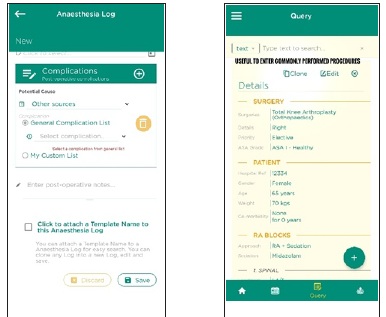
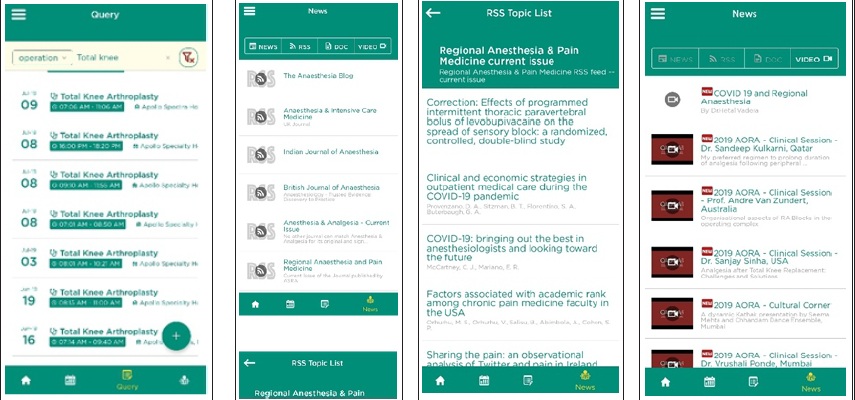
1. Logbook: This is designed keeping in mind the various parameters needed to be captured for RA procedures. It has a user-friendly interface (Fig 1, 2, 3) to capture all details. The closure of a procedure is done after noting the occurrence of any complications or catheter related issues (Fig 4). A useful cloning function is provided to minimise data entry and hence save time for commonly performed operations/procedures (Fig 5). The data of the logbook will be stored locally on your phone and backed up on a secure server. There is no patient identifiable data that is captured in the process.


How to Cite this Article: Murlidhar TS, Vadera H | AORA4U– A Regional Anaesthesia App for AORA Members | International Journal of Regional Anaesthesia | January-June 2021; 2(1): 78-79.


(Article Text HTML) (Download PDF)


USG Guided Forearm Nerve Block

Vol 2 | Issue 1 | January-June 2021 | Page 72-77 | Madhuri Dadke, Sandeep Diwan


Authors: Madhuri Dadke [1], Sandeep Diwan [1]

[1] Department of Anaesthesia, Sancheti Hospital, Pune, Maharashtra, India.

Address of Correspondence
Dr. Sandeep Diwan,
Consultant Anaesthesiologist, Sancheti Hospital, Pune, Maharashtra, India.
E-mail: sdiwan14@gmail.com


Introduction

Forearm blocks (FAB) are implemented to provide anaesthesia for hand surgeries, as a rescue block for failed or patchy proximal brachial plexus block and to provide postoperative analgesia after a regional or a general anaesthetic [1]. The advantage of these distal blocks is preservation of proximal motor function and avoidance of central structures such as the pleura, subclavian or axillary artery and the phrenic nerve. The proximal muscle function is preserved with these blocks, requiring minimal doses of local anaesthetic. These blocks can be implemented in outpatients [2] and with patients on anticoagulants [3]. Distal nerve blocks do not prevent tourniquet pain since the lateral antebrachial cutaneous nerve of forearm (musculocutaneous nerve), the medial cutaneous nerve of the arm, the posterior cutaneous nerve of the arm, and the intercostobrachial nerve that provide cutaneous innervation of the upper arm are not blocked [4]. The above mentioned nerves are blocked in the arm. Blockade of multiple nerves are needed and so involves multiple injections that may cause more patient discomfort.


References


1) Sayeh Hazmenzedeh, David Bravos.Peripheral Nerve Blocks of the Distal Upper Extremity.ASRA 2019
2) Liebmann O, Price D, Mills C, Gardner R, Wang R, Wilson S, et al.Feasibility of forearm ultrasonography guided nerve blocks of the radial, ulnar, and median nerves for hand procedures in the emergency department.Ann Emerg Med 2006,48:558-62.
3) Jose Soberon,Neil Bhatt,Bobby Nossamon,Scott Duncan et al.Distal peripheral nerve blockade for patients undergoing hand surgery: a pilot study.Hand(New York)2015 Jun; 10(2): 197–204.
4) Herman Sehmbi,Caveh Madjdpour,Ushma Jitendra Shah,Ki Jinn Shin.Ultrasound guided distal peripheral nerve block of the upper limb: A technical review.JOACP 2015.Volume 31,issue3,296-307.
5) Jordan M.Brown, Corrie M. Yablon , Yoav Morag, Catherine J. Brandon, Jon A. Jacobson.Ultrasound of the Peripheral Nerves of the Upper Extremity: A Landmark Approach. RadioGraphics 2016; 36:452–463.
6) Chad Robertson,John Saratsiotis.A Review of Compressive Ulnar Neuropathy at the Elbow. Journal of manipulative and physiological therapeutics ,June 2005;28(5):345.
7) Henrich Kele.Ultrasonography of the peripheral nervous system. Perspectives in Medicine 2012.Volume 1, Issues 1–12, September 2012, Pages 417-421
8) Admir Hadzic.Ultrasound-Guided Forearm Blocks. Hadzic’s Nerve Blocks and Anatomy for Ultrasound Guided Regional Anesthesia, 2e.
9) Wachara Wongkerdsook,Sithiporn Agthong,Chavarin Amarase,Pattarapol Yotnuengnit,Thanasil Huanmanop,Vilai Chentanez. Anatomy of the lateral antebrachial cutaneous nerve in relation to the lateral epicondyle and cephalic vein. Clinical Anat. Jan 2011;24(1):56-61.
10) Thomas K, Sajjad H, Bordoni B. Anatomy, Shoulder and Upper Limb, Medial Brachial Cutaneous Nerve. Treasure Island : Feb 14,2021.
11) Starr,Dennis Lee,Peter Stern. Anatomy of the Posterior Antebrachial Cutaneous Nerve, Revisited.Scientific Article Volume 45,Issue4,April 2020.
12) M Lurf et al.Ultrasound guided ulnar nerve catheter placement in the forearm for postoperative pain relief and physiotherapy. Acta Anaesthesiology Scandinavia. Feb 2009;53(2):261-3
13) Sanjeev Bhoi, Amit Chandra, Sagar Galwankar. Ultrasound-guided nerve blocks in the emergency department Journal of emergencies trauma and shock.Jan-Mar 2010. 3(1): 82–88.
14) RA McCahon,NM Bedforth.Peripheral nerve blocks at the elbow and wrist.Critical Care & Pain journal,Volume 7, Issue 2, April 2007, Pages 42–44.
15) Brian M Ilfeld.Continuous .Peripheral Nerve Blocks: An Update of the Published Evidence and Comparison With Novel, Alternative Analgesic Modalities.Anesth Analg ,2017 Jan;124(1):308-335.


How to Cite this Article: Dadke M, Diwan S | USG Guided Forearm Nerve Block | International Journal of Regional Anaesthesia | January- June 2021; 2(1): 72-77.

(Abstract) (Text HTML) (Download PDF)


Adjuvants in Peripheral Nerve Blocks

Vol 2 | Issue 1 | January-June 2021 | Page 63-66 | Rudra Deshpande, Harshal Wagh, Satish Kulkarni


Authors: Rudra Deshpande [1], Harshal Wagh [2], Satish Kulkarni [1]

[1] Department of Anaesthesia, Lilavati Hospital & Research Centre, Mumbai, Maharashtra, India.
[2] Department of Anaesthesia, Kokilaben Dhirubhai Ambani Hospital, Mumbai, Maharashtra, India.

Address of Correspondence
Dr. Satish Kulkarni,
Consultant, Department of Anaesthesia, Lilavati Hospital & Research Centre, Mumbai, Maharashtra, India.
E-mail: drsatishkulkarni@yahoo.com


Introduction


An increase in the use of peripheral nerve blocks (PNBs) has been noted in recent years. Not only do these blocks provide adequate anaesthesia intraoperatively, but they are also now the cornerstone of perioperative pain management. Superior pain control, a significant decrease in opioid requirements as well as opioid-related side effects, improved patient satisfaction, earlier discharge from hospital and increasing use with the advancement of ultrasound technology have contributed to the increasing use of peripheral nerve blocks [1-4].
Regional anaesthesia techniques including PNBs have also become the need of the hour in recent times of the Covid19 pandemic. As per recent practice recommendations (American Society of Regional Anaesthesia May 2020), Regional anaesthesia is preferred to avoid aerosol-generating procedures associated with General anaesthesia [5].

For postoperative pain management, PNBs are used as a single injection or as a continuous catheter infusion. Single-injection nerve blocks are more commonly done as they are technically easier and quicker. They provide superior analgesia in the immediate postoperative period for various procedures in which the pain intensity is high initially and reduces over significantly over time. Oral analgesics may be effective by then as the effect of PNBs is wearing off gradually over 12 to 24 hours. Rebound pain can however be a significant problem [6]. Continuous catheter techniques are not only technically challenging but require greater monitoring and are prone to secondary block failures due to catheter blockage and displacement [7]. They are labour and resource intensive. Hence the need for adjuvants that will help prolong the duration of PNBs and avoid the placement of continuous catheters has been part of the quest of regional anaesthesiologists. Multiple classes of drugs have been tested as adjuvants in the past. Some have stood the test of time and helped improve the practice of regional anaesthesia while others proved more detrimental. Discussed below are some of the adjuvants that have been successfully used (Table 1).


References


1. Hughes MS, Matava MJ, Wright RW, Brophy RH, Smith MV. Interscalene brachial plexus block for arthroscopic shoulder surgery: a systematic review. J Bone Joint Surg Am. 2013;95(14):1318-24.
2. Liu Q, Chelly JE, Williams JP, Gold MS. Impact of peripheral nerve block with low dose local anesthetics on analgesia and functional outcomes following total knee arthroplasty: a retrospective study. Pain Med. 2015;16(5):998-1006.
3. Lenart MJ, Wong K, Gupta RK, Mercaldo ND, Schildcrout JS, Michaels D, et al. The impact of peripheral nerve techniques on hospital stay following major orthopedic surgery. Pain Med. 2012;13(6):828-34.
4. Chan EY, Fransen M, Parker DA, Assam PN, Chua N. Femoral nerve blocks for acute postoperative pain after knee replacement surgery. Cochrane Database Syst Rev. 2014;2014(5):Cd009941.
5. Uppal V, Sondekoppam RV, Lobo CA, Kolli S, Kalagara HK. Practice recommendations on neuraxial anesthesia and peripheral nerve blocks during the COVID-19 pandemic. ASRA/ESRA COVID-19 Guidance for Regional Anesthesia March. 2020;31.
6. Nobre LV, Cunha GP, Sousa P, Takeda A, Cunha Ferraro LH. [Peripheral nerve block and rebound pain: literature review]. Rev Bras Anestesiol. 2019;69(6):587-93.
7. Ahsan ZS, Carvalho B, Yao J. Incidence of failure of continuous peripheral nerve catheters for postoperative analgesia in upper extremity surgery. J Hand Surg Am. 2014;39(2):324-9.
8. Karaman S, Kocabas S, Uyar M, Hayzaran S, Firat V. The effects of sufentanil or morphine added to hyperbaric bupivacaine in spinal anaesthesia for Caesarean section. Eur J Anaesthesiol. 2006;23(4):285-91.
9. Axelsson K, Johanzon E, Essving P, Weckström J, Ekbäck G. Postoperative extradural analgesia with morphine and ropivacaine. A double-blind comparison between placebo and ropivacaine 10 mg/h or 16 mg/h. Acta Anaesthesiologica Scandinavica. 2005;49(8):1191-9.
10. Flory N, Van-Gessel E, Donald F, Hoffmeyer P, Gamulin Z. Does the addition of morphine to brachial plexus block improve analgesia after shoulder surgery? British Journal of Anaesthesia. 1995;75(1):23-6.
11. Alemanno F, Ghisi D, Fanelli A, Faliva A, Pergolotti B, Bizzarri F, et al. Tramadol and 0.5% levobupivacaine for single-shot interscalene block: effects on postoperative analgesia in patients undergoing shoulder arthroplasty. Minerva Anestesiol. 2012;78(3):291-6.
12. Kesimci E, Izdes S, Gozdemir M, Kanbak O. Tramadol does not prolong the effect of ropivacaine 7.5 mg/ml for axillary brachial plexus block. Acta Anaesthesiologica Scandinavica. 2007;51(6):736-41.
13. Fanelli G, Casati A, Magistris L, Berti M, Albertin A, Scarioni M, et al. Fentanyl does not improve the nerve block characteristics of axillary brachial plexus anaesthesia performed with ropivacaine. Acta Anaesthesiol Scand. 2001;45(5):590-4.
14. Jain N, Khare A, Khandelwal S, Mathur P, Singh M, Mathur V. Buprenorphine as an adjuvant to 0.5% ropivacaine for ultrasound-guided supraclavicular brachial plexus block: A randomized, double-blind, prospective study. Indian Journal of Pain. 2017;31(2):112-8.
15. Tulsyan V, Singh J, Thakur L, Verma V, Minhas A. A comparative study of buprenorphine in two different doses as an adjuvant to levobupivacaine in US-guided lumbar plexus block for postoperative analgesia. Ain-Shams Journal of Anesthesiology. 2021;13(1):7.
16. Virk MS, Arttamangkul S, Birdsong WT, Williams JT. Buprenorphine is a weak partial agonist that inhibits opioid receptor desensitization. J Neurosci. 2009;29(22):7341-8.
17. Schoenmakers KPW, Fenten MGE, Louwerens JW, Scheffer GJ, Stienstra R. The effects of adding epinephrine to ropivacaine for popliteal nerve block on the duration of postoperative analgesia: a randomized controlled trial. BMC Anesthesiology. 2015;15(1):100.
18. Dogru K, Duygulu F, Yildiz K, Kotanoglu MS, Madenoglu H, Boyaci A. Hemodynamic and blockade effects of high/low epinephrine doses during axillary brachial plexus blockade with lidocaine 1.5%: A randomized, double-blinded study. Reg Anesth Pain Med. 2003;28(5):401-5.
19. Schoenmakers KP, Vree TB, Jack NT, van den Bemt B, van Limbeek J, Stienstra R. Pharmacokinetics of 450 mg ropivacaine with and without epinephrine for combined femoral and sciatic nerve block in lower extremity surgery. A pilot study. Br J Clin Pharmacol. 2013;75(5):1321-7.
20. Weber A, Fournier R, Van Gessel E, Riand N, Gamulin Z. Epinephrine does not prolong the analgesia of 20 mL ropivacaine 0.5% or 0.2% in a femoral three-in-one block. Anesth Analg. 2001;93(5):1327-31.
21. Tschopp C, Tramèr MR, Schneider A, Zaarour M, Elia N. Benefit and Harm of Adding Epinephrine to a Local Anesthetic for Neuraxial and Locoregional Anesthesia: A Meta-analysis of Randomized Controlled Trials With Trial Sequential Analyses. Anesth Analg. 2018;127(1):228-39.
22. Pöpping DM, Elia N, Marret E, Wenk M, Tramèr MR. Clonidine as an adjuvant to local anesthetics for peripheral nerve and plexus blocks: a meta-analysis of randomized trials. Anesthesiology. 2009;111(2):406-15.
23. Chakraborty S, Chakrabarti J, Mandal MC, Hazra A, Das S. Effect of clonidine as adjuvant in bupivacaine-induced supraclavicular brachial plexus block: A randomized controlled trial. Indian J Pharmacol. 2010;42(2):74-7.
24. McCartney CJL, Duggan E, Apatu E. Should We Add Clonidine to Local Anesthetic for Peripheral Nerve Blockade? A Qualitative Systematic Review of the Literature. Regional Anesthesia & Pain Medicine. 2007;32(4):330-8.
25. El-Boghdadly K, Brull R, Sehmbi H, Abdallah FW. Perineural Dexmedetomidine Is More Effective Than Clonidine When Added to Local Anesthetic for Supraclavicular Brachial Plexus Block: A Systematic Review and Meta-analysis. Anesth Analg. 2017;124(6):2008-20.
26. Sachdev S, Sharma V, Malawat A, Jethava D, Moin K. Comparison of levobupivacaine alone and levobupivacaine with dexmedetomidine in supraclavicular brachial plexus block: A prospective randomized clinical trial. Indian Journal of Clinical Anaesthesia. 2020;7(1):16-22.
27. Lundblad M, Trifa M, Kaabachi O, Ben Khalifa S, Fekih Hassen A, Engelhardt T, et al. Alpha-2 adrenoceptor agonists as adjuncts to peripheral nerve blocks in children: a meta-analysis. Pediatric Anesthesia. 2016;26(3):232-8.
28. Ray A, Kulkarni S, Kaur K, Paul D, Singh S, Khan S. Comparative study of two different doses of dexmedetomidine as an adjuvant to bupivacaine in the peripheral nerve block. Journal of Marine Medical Society. 2020;22(2):161-5.
29. Xue X, Fan J, Ma X, Liu Y, Han X, Leng Y, et al. Effects of local dexmedetomidine administration on the neurotoxicity of ropivacaine for sciatic nerve block in rats. Mol Med Rep. 2020;22(5):4360-6.
30. Sehmbi H, Brull R, Ceballos KR, Shah UJ, Martin J, Tobias A, et al. Perineural and intravenous dexamethasone and dexmedetomidine: network meta-analysis of adjunctive effects on supraclavicular brachial plexus block. Anaesthesia. 2020. doi: 10.1111/anae.15288. Online ahead of print
31. Albrecht E, Vorobeichik L, Jacot-Guillarmod A, Fournier N, Abdallah FW. Dexamethasone Is Superior to Dexmedetomidine as a Perineural Adjunct for Supraclavicular Brachial Plexus Block: Systematic Review and Indirect Meta-analysis. Anesth Analg. 2019;128(3):543-54.
32. Choi S, Rodseth R, McCartney CJ. Effects of dexamethasone as a local anaesthetic adjuvant for brachial plexus block: a systematic review and meta-analysis of randomized trials. Br J Anaesth. 2014;112(3):427-39.
33. Pehora C, Pearson AM, Kaushal A, Crawford MW, Johnston B. Dexamethasone as an adjuvant to peripheral nerve block. Cochrane Database Syst Rev. 2017;11(11):Cd011770.
34. Marhofer P, Columb M, Hopkins PM, Greher M, Marhofer D, Bienzle M, et al. Dexamethasone as an adjuvant for peripheral nerve blockade: a randomised, triple-blinded crossover study in volunteers. Br J Anaesth. 2019;122(4):525-31.
35. Golwala M, Swadia V, Dhimar AA, Sridhar N. Pain relief by dexamethasone as an adjuvant to local anaesthetics in supraclavicular brachial plexus block. J Anaesth Clin Pharmacol. 2009;25(3):285-8.
36. Liu J, Richman KA, Grodofsky SR, Bhatt S, Huffman GR, Kelly IV JD, et al. Is there a dose response of dexamethasone as adjuvant for supraclavicular brachial plexus nerve block? A prospective randomized double-blinded clinical study. Journal of clinical anesthesia. 2015;27(3):237-42.
37. Williams BA, Hough KA, Tsui BY, Ibinson JW, Gold MS, Gebhart G. Neurotoxicity of adjuvants used in perineural anesthesia and analgesia in comparison with ropivacaine. Regional Anesthesia & Pain Medicine. 2011;36(3):225-30–30.
38. Attardi B, Takimoto K, Gealy R, Severns C, Levitan E. Glucocorticoid induced up-regulation of a pituitary K+ channel mRNA in vitro and in vivo. Receptors & channels. 1993;1(4):287-93.
39. Chong MA, Berbenetz NM, Lin C, Singh S. Perineural versus intravenous dexamethasone as an adjuvant for peripheral nerve blocks: a systematic review and meta-analysis. Regional Anesthesia & Pain Medicine. 2017;42(3):319-26.
40. Zhao W-L, Ou X-F, Liu J, Zhang W-S. Perineural versus intravenous dexamethasone as an adjuvant in regional anesthesia: a systematic review and meta-analysis. Journal of Pain Research. 2017;10:1529-43.
41. Desmet M, Braems H, Reynvoet M, Plasschaert S, Van Cauwelaert J, Pottel H, et al. IV and perineural dexamethasone are equivalent in increasing the analgesic duration of a single-shot interscalene block with ropivacaine for shoulder surgery: a prospective, randomized, placebo-controlled study. British journal of anaesthesia. 2013;111(3):445-52.
42. Zorrilla-Vaca A, Li J. Dexamethasone Injected Perineurally is More Effective than Administered Intravenously for Peripheral Nerve Blocks. The Clinical journal of pain. 2018;34(3):276-84.
43. Tien M, Gan T, Dhakal I, White W, Olufolabi A, Fink R, et al. The effect of anti‐emetic doses of dexamethasone on postoperative blood glucose levels in non‐diabetic and diabetic patients: a prospective randomised controlled study. Anaesthesia. 2016;71(9):1037-43.
44. Kassem H, Urits I, Viswanath O, Kaye AD, Eskander JP. Use of Dexmedetomidine With Dexamethasone for Extended Pain Relief in Adductor Canal/Popliteal Nerve Block During Achilles Tendon Repair. Cureus. 2020;12(12):e11917-e.
45. Zusman RP, Urits I, Kaye AD, Viswanath O, Eskander J. Synergistic Effect of Perineural Dexamethasone and Dexmedetomidine (Dex-Dex) in Extending the Analgesic Duration of Pectoral Type I and II Blocks. Cureus. 2020;12(9):e10703-e.
46. Lee IO, Kim WK, Kong MH, Lee MK, Kim NS, Choi YS, et al. No enhancement of sensory and motor blockade by ketamine added to ropivacaine interscalene brachial plexus blockade. Acta Anaesthesiol Scand. 2002;46(7):821-6.
47. Nishiyama T, Matsukawa T, Hanaoka K. Continuous epidural administration of midazolam and bupivacaine for postoperative analgesia. Acta Anaesthesiol Scand. 1999;43(5):568-72.
48. Malinovsky JM, Cozian A, Lepage JY, Mussini JM, Pinaud M, Souron R. Ketamine and midazolam neurotoxicity in the rabbit. Anesthesiology. 1991;75(1):91-7.
49. Demirel E, Ugur HC, Dolgun H, Kahilogullari G, Sargon ME, Egemen N, et al. The neurotoxic effects of intrathecal midazolam and neostigmine in rabbits. Anaesth Intensive Care. 2006;34(2):218-23.
50. Mukherjee K, Das A, Basunia SR, Dutta S, Mandal P, Mukherjee A. Evaluation of Magnesium as an adjuvant in Ropivacaine-induced supraclavicular brachial plexus block: A prospective, double-blinded randomized controlled study. J Res Pharm Pract. 2014;3(4):123-9.
51. Jebali C, Kahloul M, Hassine NI, Jaouadi MA, Ferhi F, Naija W, et al. Magnesium Sulfate as Adjuvant in Prehospital Femoral Nerve Block for a Patient with Diaphysial Femoral Fracture: A Randomized Controlled Trial. Pain Research and Management. 2018;2018:2926404. https://doi.org/10.1155/2018/2926404
52. Hung Y-C, Chen C-Y, Lirk P, Wang C-F, Cheng J-K, Chen C-C, et al. Magnesium Sulfate Diminishes the Effects of Amide Local Anesthetics in Rat Sciatic-Nerve Block. Reg Anesth Pain Med. 2007;32(4):288-295.
53. Kerry Brandis. Alkalinisation of local anaesthetic solutions. Australian Prescriber Vol 34 / Number 6 / December 2011.


How to Cite this Article: Deshpande R, Wagh H, Kulkarni S | Adjuvants in Peripheral Nerve Blocks | International Journal of Regional Anaesthesia | January-June 2021; 2(1): 63-66.


(Abstract) (Text HTML) (Download PDF)